
I’ve dreamed of seeing beavers back in Staffordshire for years. As well as helping wildlife, they help people too. They slow floods, store water and create amazing places to explore. I’m genuinely excited for local communities to see the difference these animals can make.Staffordshire Wildlife Trust
Wild Beavers Set to Return to Staffordshire - Bringing Benefits for People and Nature
Staffordshire Wildlife Trust (SWT) is moving closer to bringing wild beavers back to the Trent Valley – with reintroductions which could transform the county’s waterways and help tackle flooding, drought and pollution.
Today is World Beaver Day, a day created to honour beavers and their vital role in ecosystems. Beavers were once widespread across the UK but were hunted to extinction around 400 years ago. Following successful trials elsewhere, in 2025 the government confirmed that beavers can be released into the wild under licence. SWT is currently preparing information for a future full licence application, with plans for a carefully managed 10‑year project. Once approved, this could see an initial 50 beavers introduced in suitable areas.
In recent years, beavers have appeared across Staffordshire. It's believed they were illegally “beaver bombed” into the area. Signs of activity have been spotted on the Rivers Sow, Trent, Dove and Tame - including at SWT's The Wolseley Centre. These unofficial releases make it harder to ensure healthy genetic diversity and long-term population stability.
Thankfully, the landowners hosting these animals are supportive. SWT continues to monitor the beavers’ activity and wellbeing. Trail camera footage shows at least two pairs of beavers, along with lone beavers. They can be seen feeding, passing wind and scent marking! The latter indicates that they have settled in that area and claimed it as their territory.
Beavers are often nicknamed “nature’s architects” because their dams, channels and feeding activity create rich wetlands full of life. But their engineering also helps people by:
- Reducing flood risk by slowing and storing water
- Helping during droughts through natural water storage
- Filtering water, improving quality
- Boosting local economies through eco‑tourism
- Creating beautiful, tranquil places that support health and wellbeing.
The Trust’s application will include plans to manage any challenges that arise, such as protecting important trees.
To date, conversations with local landowners and non-governmental organisations have been positive. SWT will soon begin wider community engagement before moving forward to a full licence application.
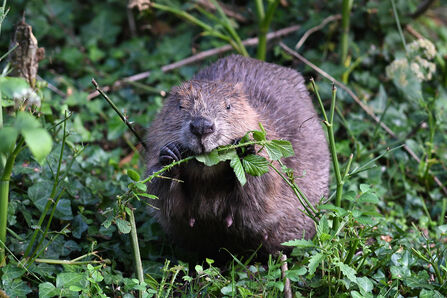
© David Parkyn
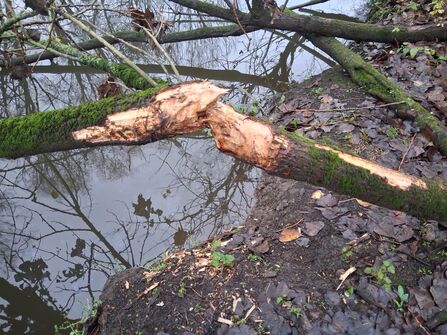
Signs of beavers feeding by Nick Mott
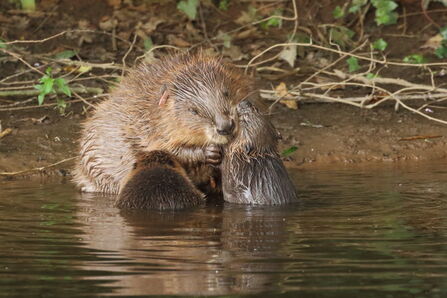
A beaver and her kits © Mike Symes
Nick Mott, Species Recovery and River Restoration Manager at SWT, says:
“I’ve dreamed of seeing beavers back in Staffordshire for years. As well as helping wildlife, they help people too. They slow floods, store water and create amazing places to explore. I’m genuinely excited for local communities to see the difference these animals can make.
“As part of our application we’re exploring potential beaver release sites. These could include our reserves at The Wolseley Centre, Rugeley Riverside Park, Jackson’s Coppice and Marsh, Doxey Marshes, Tucklesholme and Croxall Lakes. This would be approached in a staggered and sensible way. We're proposing long term plans to ensure we can once again live harmoniously with these fascinating, life-giving creatures.”
Members of the public are encouraged to look out for and report beaver signs. Coppiced trees are the most common sign, with other signs such as burrows, lodges and dams being less commonly seen. Findings can be reported using our online form: www.staffs-wildlife.org.uk/wild-beavers-staffordshire