A walk through Cecilly Brook and around Hales Hall Pool Nature Reserve

A walk through Cecilly Brook and around Hales Hall Pool Nature Reserve

Mark shares wildlife spotting tips for both of these small but lovely nature reserves in the Staffordshire Moorlands.

A wildlife corridor in Cheadle 

Taking a stroll along Staffordshire Wildlife Trust managed Cecilly Brook during May or June will reveal a wealth of wildlife.   

The reserve forms a green corridor though Cheadle, with the brook snaking a natural winding course. Incredibly, we still have a small population of water voles living here. They are the UK’s fastest declining mammal. This is due to habitat loss but also predation by American mink, an invasive species which were released from mink farms in the 1970s.  

A hard surfaced path allows access along most of the reserve. The reserve is dominated by several fine crack willow trees. We pollard(cut) the branches periodically which increases their longevity and value for wildlife.    

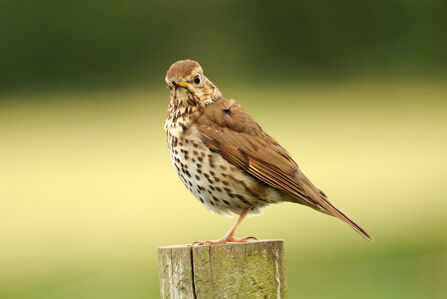
Listen out for the repeated songs of song thrush (pictured below) which may be singing from the top of a crack willow.  
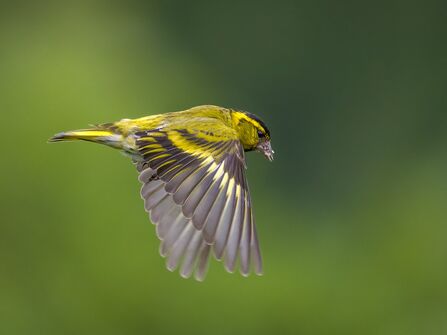
Young willow scrub is a good place to listen out for spring migrant birds, such as willow warbler (pictured above) and chiffchaff. Resident birds include flocks of beautiful yellow siskin (pictured above). We also have 'charms' of goldfinch, singing chaffinch, and greenfinch. If you're lucky you might also hear the call of the declining willow tit (pictured above).  

Groups of alder trees are dotted along the brook. The siskins particularly love their cones and they’re an important food sourced during winter months. Groups of trees attract bats which feed on insects. If you visit in the evening, you are likely to see common pipistrelle flitting about.   

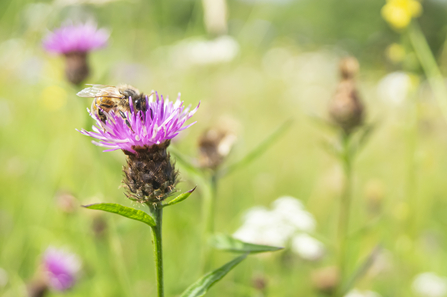
In late May and into June the uncut areas of grass come alive with wildflowers. They are in fact hay meadows which we created by strewing green hay from Staffordshire Wildlife Trust’s Rod Wood nature reserve about 12 years ago. Over 20 species have been recorded here – pretty amazing as this was once just amenity grass with minimal diversity.   

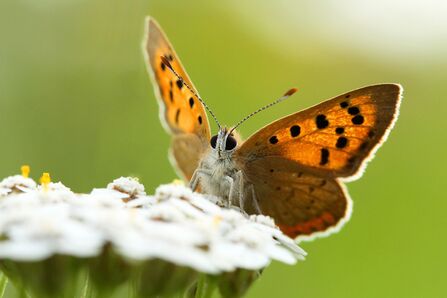
Flowers to look out for are southern marsh orchid, common spotted orchid, common knapweed, and meadow vetchling. The meadows attract a wealth of insect life - butterflies like the orange tip, small copper, meadow brown, and ringlets have all been seen here.  

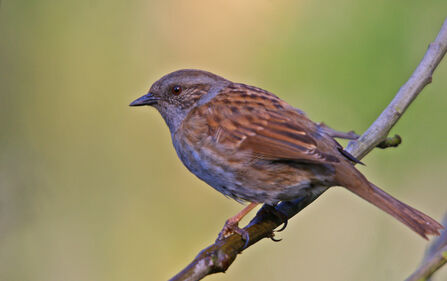
There are further meadows just below the Thorley Drive football pitches. Patches of blackthorn scrub and mixed hedgerows provide habitat for a variety of birds like the dunnock and chiffchaff. Look out for patches of yellow rattle too. This is known as the ‘meadow maker’ as it’s a plant which supresses the growth of dominant grasses. All the meadows are managed traditionally. This means we don't cut the hay until late, allowing enough time for the plants to go to seed and drop them so they set. This boosts their growth for the following year and keeps the meadows botanically diverse. 

Hales Hall Pool  

This site features a 4.3 acre man-made lake which was formerly linked to Hales Hall. It's the size of over four Olympic size swimming pools. It also features a historic avenue created by plantations of two lines of yew trees and a circular path.  

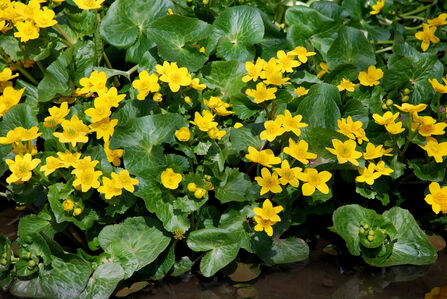
The edges of the lake are lush with plant life. In spring they feature splashes of cheery yellow marsh marigold (pictured below). There are also striking areas of greater tussock sedge, which is uncommon in Staffordshire. Willow scrub at the eastern end of the site attracts summer migrant birds like blackcap and willow warbler.

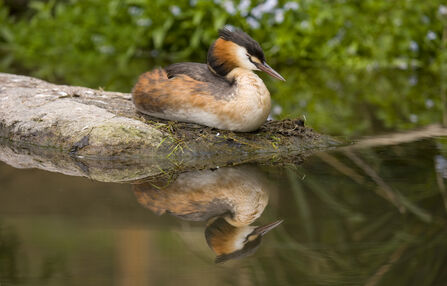
The pool has breeding coot, moorhen, and sometimes great crested grebes (pictured below). During summer you can also see a wealth of dragonfly here, zipping across the water. Look out for the dainty common blue damselfly to the larger dragonflies like the southern, brown or common hawker. 

Know before you go

Discover more about each of these nature reserves and the others we care for all over Staffordshire.

https://www.staffs-wildlife.org.uk/explore/our-nature-reserves