
When visiting Cotton Dell, please read 'parking info' on this page

Sarah Davison

Location
near Oakamoor
Staffordshire
ST10 3AG (Nearest Postcode)
View on What3Words

Know before you go
Dogs
When to visit
Opening times
Open at all timesBest time to visit
March to June, September to OctoberAbout the reserve
Highlights
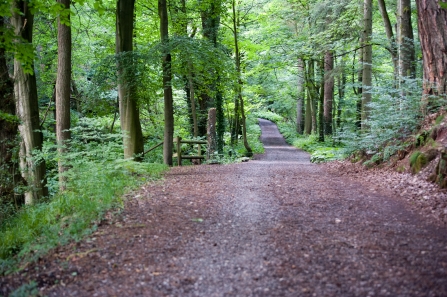
- Take a walk around the reserve on a sunny autumn day and enjoy the sights and sounds of a woodland and its wildlife preparing for winter
- Visit in spring to be rewarded with a rich chorus of bird song throughout the woodland
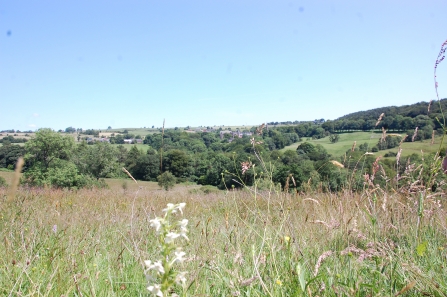
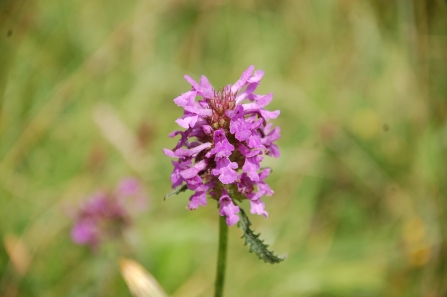
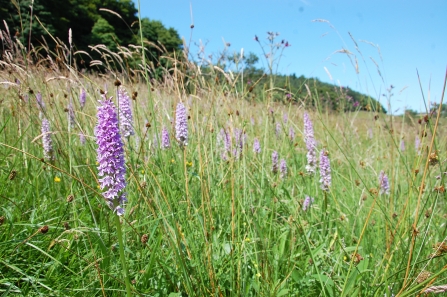
- The grasslands are at their best in summer, when butterflies and other insects are busy feeding amongst the flower-rich pastures
If you go down to the Dell today
Take the path following the course of the Cotton Brook, which flows through the heart of the reserve, and you will find a wonderful diverse range of habitats from steep sided woodland valleys to flower rich grasslands. Ponds, scrub and boggy areas along with the stream itself all add to the wildlife value of the reserve.
The woodland at Cotton Dell is located on an ancient woodland site. This means that the area has been continuously wooded for over 400 years. Despite this, previous management of the woodland has resulted in most of the oldest trees being removed.
In some places individual trees were felled and the resulting spaces were allowed to naturally regenerate. In other areas, entire blocks of woodland were cleared and replanted with conifers. As you follow the track around the reserve, look for the contrasting habitats and their effects on the ground flora and shrub layer of the woodland. In the broadleaf woodland, you'll see young trees growing amongst the shrubs, whilst in spring carpets of wild flowers appear including bluebells, wood anemones and wood sorrel.
By contrast, in the conifer woodlands you'll see a far less diverse range of species. Although conifer woodland has some benefits for wildlife, they tend to support less wildlife than the adjoining broadleaf woodland.
Back to the future
Woodland management involves taking a long term view. Part of the future management of the reserve is to return it to its former glory; a rich broadleaf woodland with a range of tree species such as oak, hazel, alder and birch along with holly, field maple and hazel amongst the shrubby species.
Trees are amongst the longest living things on earth, but nothing lasts forever, so in order to provide a wildlife rich and sustainable woodland for future generations, a woodland needs to include a number of elements:
- There need to be gaps in the canopy so that acorns and other seeds can germinate and develop into saplings to become the mature trees of the future
- Woodlands are better for wildlife if they have a rich understorey layer of shrubs, such as field maple, hazel and bird cherry, all of which can already be found in the reserve
- As mature trees start to age and gradually die, they provide either fallen or standing dead wood. This dead wood is crucial for wildlife rich woodlands as it provides homes and food for a variety of species including woodpeckers and fungi.
We have to start thinking now about any management to ensure that there will be future mature and veteran trees. To achieve this we gradually fell some of the trees to open up gaps to encourage natural regeneration or newly planted trees to develop into the woodland of the future.
You will notice the brook has a lot of woody debris in it. While some of this has naturally fallen, we have also pulled some trees into it. This helps slow the flow of the brook in times of high rainfall, helping to alliviate flooding further downstream. Notice the pools and differing depths of water. These, and the deadwood offer up prime habitat for a multitude of watery wildlife.
Butterflies, bees, boggy bits and bare ground
One of the main reasons Cotton Dell is so good for wildlife is because of the variety of habitats here. Look carefully and you'll see that different plants have colonised the different areas of the reserve. These areas also support different insects.
Small boggy pools, even temporary ones, can provide homes to opportunistic insects, but one of the most easily identifiable is the green tiger beetle which can be seen on the bare sandy patches in the cattle grazed pastures.
A Living Landscape
This nature reserve is part of the Churnet Valley Living Landscape. This was a four year project completed between 2012 and 2016. Living Landscapes is The Wildlife Trusts innovative approach to nature conservation and involves focusing our efforts on improving the wider landscape to make it better, and better connected, for wildlife. Find out more here.
A self-guided walk
You can find a self-guided walk at Cotton Dell here. This is an archive file from our member magazine and therefore it is not current but will still provide you with basic directions for exploring the reserve. The walk may have a seasonal focus with tips on what wildlife you might see at that time of year. Some tracks and pathways may also have been upgraded or rerouted since the time of writing but the map and directions should still provide a useful guide when visiting.
Contact us
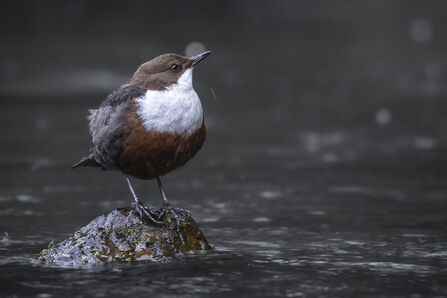
February - A Moments Rest by Oliver McQueen (dipper)

Sarah Davison
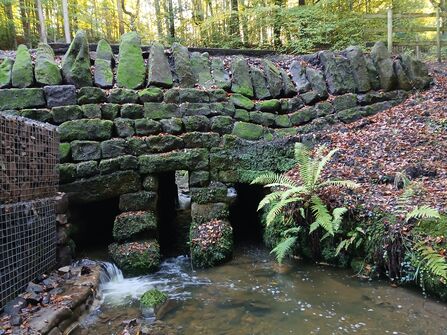
Cotton Dell's restored historic bridge by John Stanney
