
Hem Heath Woods
Location
Trentham-
Longton Road
Trentham
Staffordshire
ST4 8FR (nearest)
*South of Stoke-on-Trent along the A5035 Trentham
View on What3Words

Know before you go
Dogs
When to visit
Opening times
Open at all timesBest time to visit
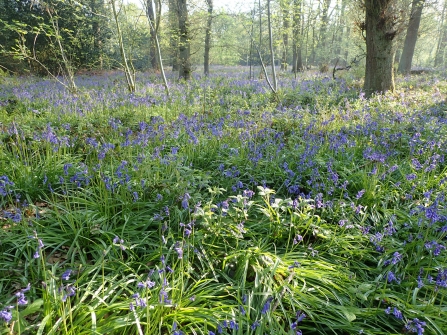
Anytime. Bluebells out mid-April to late MayAbout the reserve
Highlights
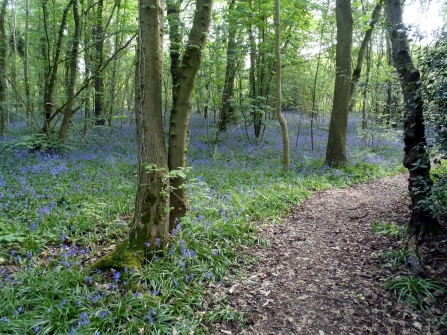
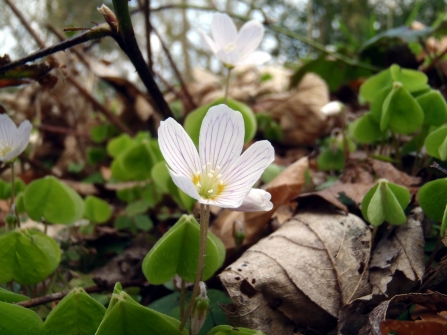
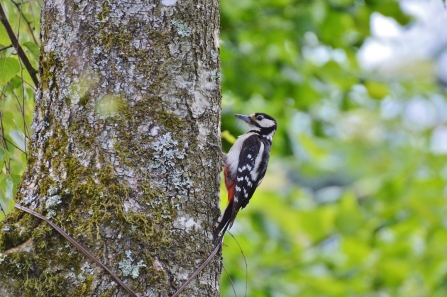
- Visit the reserve in spring and not only will you be rewarded with bluebells and other spring flowers, but you'll also be able to hear the huge variety of woodland birds.
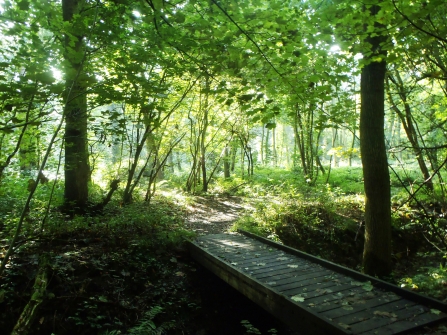
- As well as the all ability trail there is also a network of woodland rides - ideal if you want to explore a bit further off the beaten track!
Urban Oasis
Although often referred to as Hem Heath, this woodland encompasses four distinct woods - The Oaks, Newstead Wood, Newpark Plantation and Hem Heath. Whatever the title, there’s no doubt that this reserve provides a wonderful green oasis, and is the largest area of woodland in Stoke-on-Trent!
When’s a heath not a heath?
Despite its name there is actually no heathland within the reserve – although it is reasonable to assume that some of the land would have formerly been open heath at some point in it’s history.
The reserve you see today is a mix of different woodland types which have evolved through different management regimes at different times in the site's history.
The Oaks, at the southernmost tip of the reserve is an ancient woodland site. Records show that this part of the site has been woodland for over 400 years, although in the 19th century many of the mature trees were felled and replanted.
The other three woodland blocks that make up the nature reserve are all more recent woodlands. These woodlands were planted in the mid-1800’s, probably on former farmland. Look at the ground beneath your feet in Newstead Wood and see if you can pick out ridges on the ground. This is thought to be old ridge-and-furrow, the plough lines that were left from when the land was previously farmed. We know that Newstead Plantation was clear felled at the turn of the 19th century and subsequently replanted – look around and you’ll see that the trees here are all fairly similar in size and age.
Layers are important
As you walk around the site you’ll come across woodland areas which are dominated by tall trees, predominantly sycamore. In other areas, where the Trust has been managing the woodland for many years, you should be able to see that management has encouraged an understory of woody shrubs to develop, such as hazel, rowan and hawthorn. These areas are generally of more value to wildlife since there are different ‘layers’ of trees and shrubs within the woodland to provide homes for different animals.
Woodland health check
Woodland management is a long-term commitment! Our aim at the Hem Heath reserve is to manage the woodland to ensure that it can naturally regenerate and be retained as a wooded site for future generations. To ensure its future the woodland needs to produce saplings that will grow on to form the woodland canopy as other trees mature and start to die back. Sensitive management can help this natural process along by felling individual trees or small groups of trees. Once the canopy is more open, more light reaches the ground, this in turn encourages tree seedlings to establish and grow towards the light. There are many different ways to manage woodlands – from non-intervention to clear felling and replanting. At Hem Heath we are trying to work with nature to provide opportunities for the woodland to regenerate itself naturally.
It’s also important that a range of species regenerate. You’ll see oak, ash, cherry, sycamore and beech amongst the tree species as you walk around the reserve. Some regeneration of all these species is necessary if we are to create a diverse, wildlife rich woodland into the future.
Management Plan
Read our management plan for Hem Heath Woods on how we are managing the site for both people and wildlife by clicking here
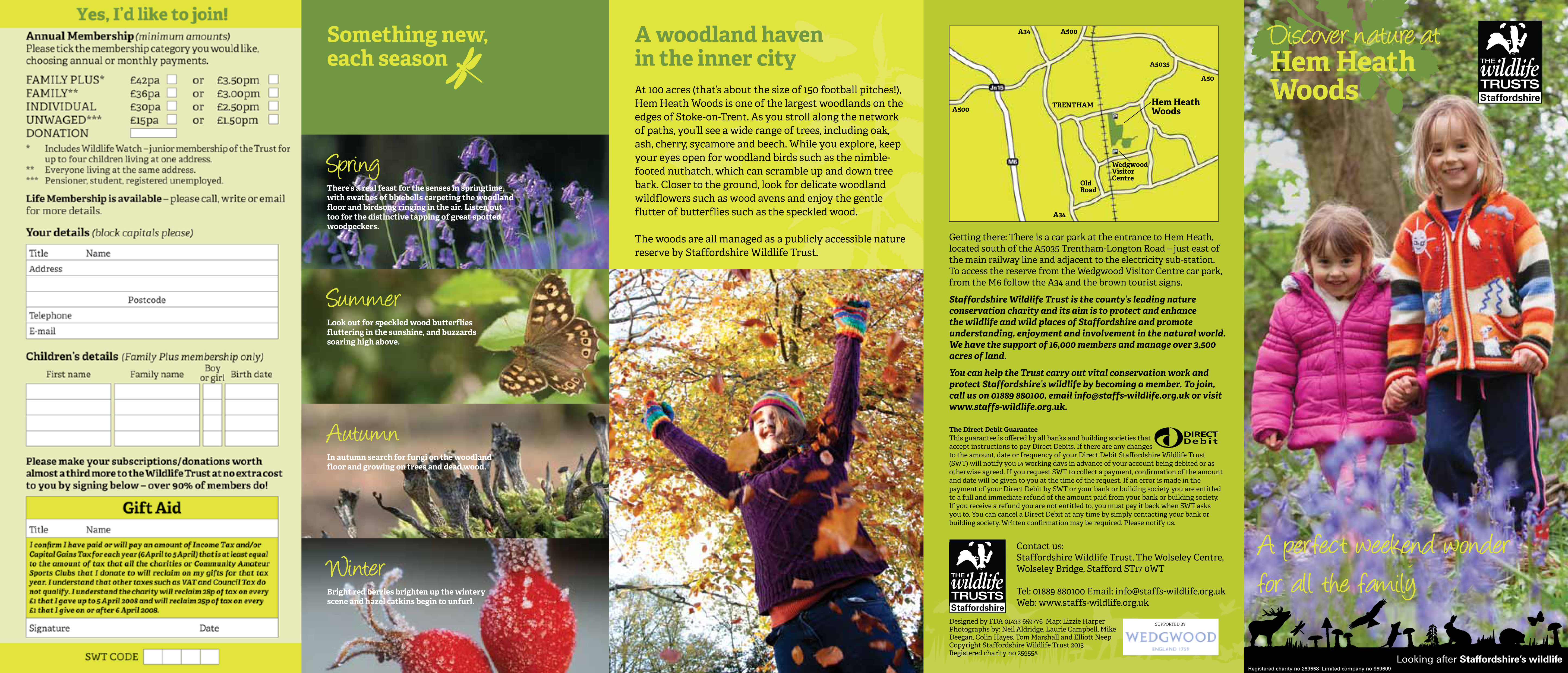
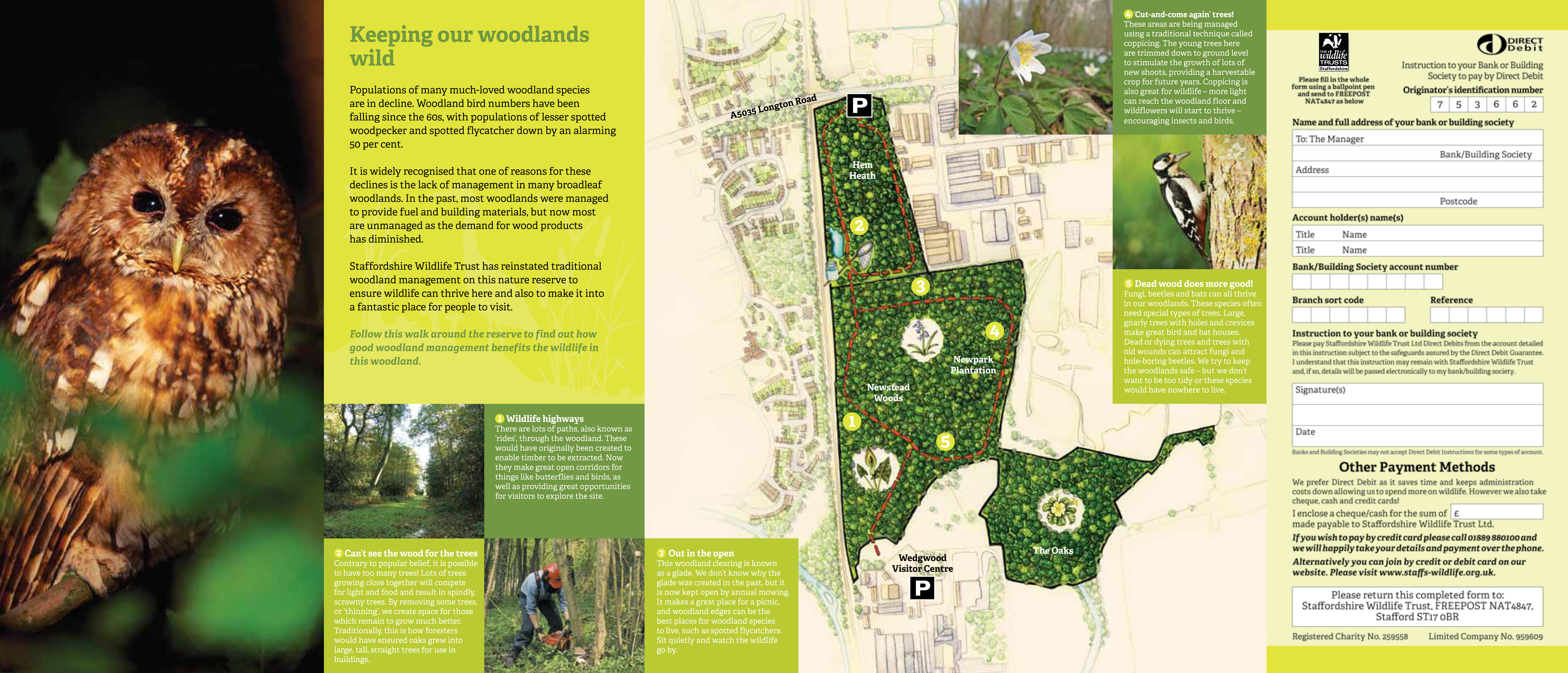
Download a copy of our "Discover Nature at Hem Heath Woods" leaflet below- the perfect companion for your visit to the reserve!
Ash dieback
Sadly Ash dieback is affecting many of our nature reserves in Staffordshire. We have already had to carry out some felling in some of our woodlands and over the next few years we will have to continue to do so. This includes felling at Hem Heath. Please head to our ash dieback page for more information.
Habitat
Contact us

The work on our Nature Reserves would not be possible without our members. Support us today.
Become a memberHem Heath leaflet - pg 1
- Click to download (7.98 MB)
Hem Heath leaflet pg 2
- Click to download (6.74 MB)